Class: Mammalia Order: Artiodactyla Family: Bovidae Genus: Bos Species: taurus
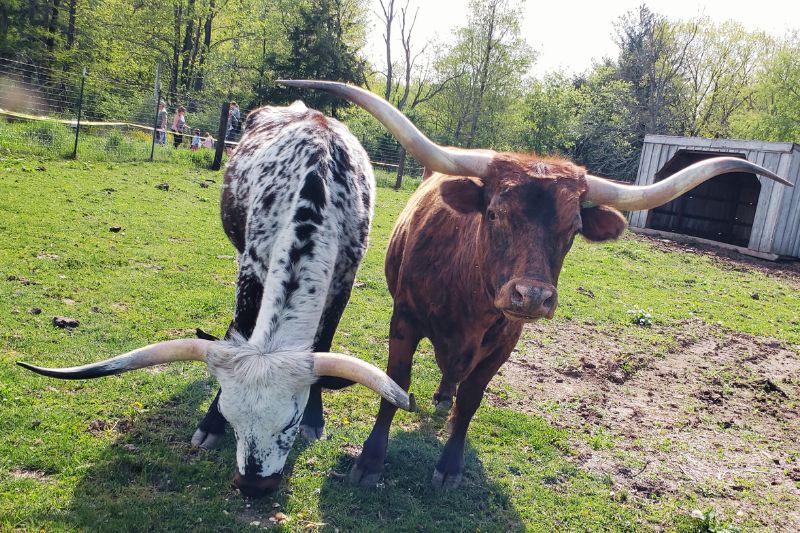
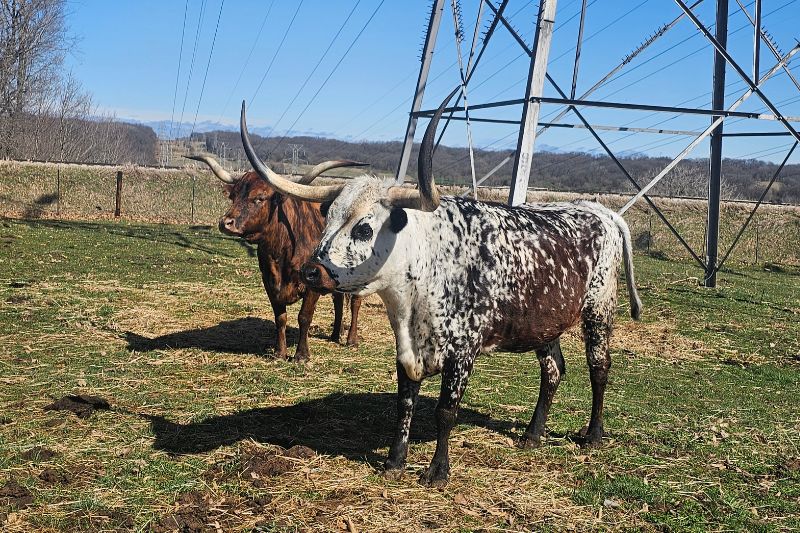
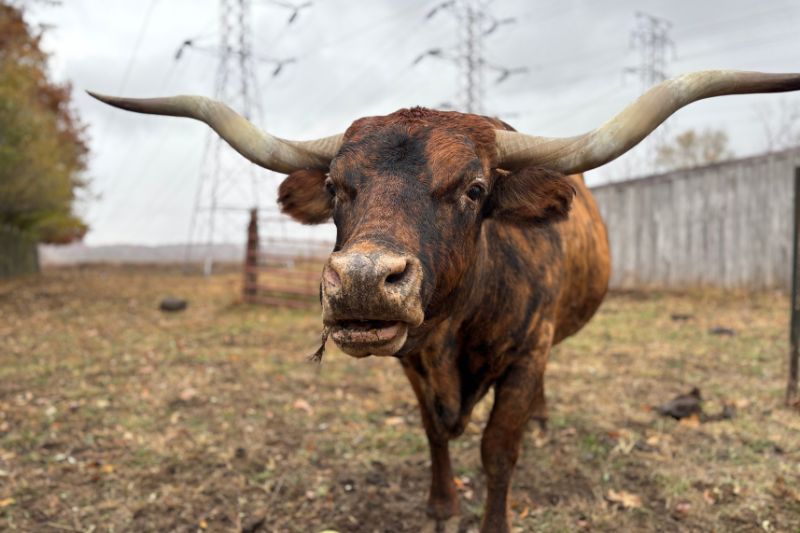
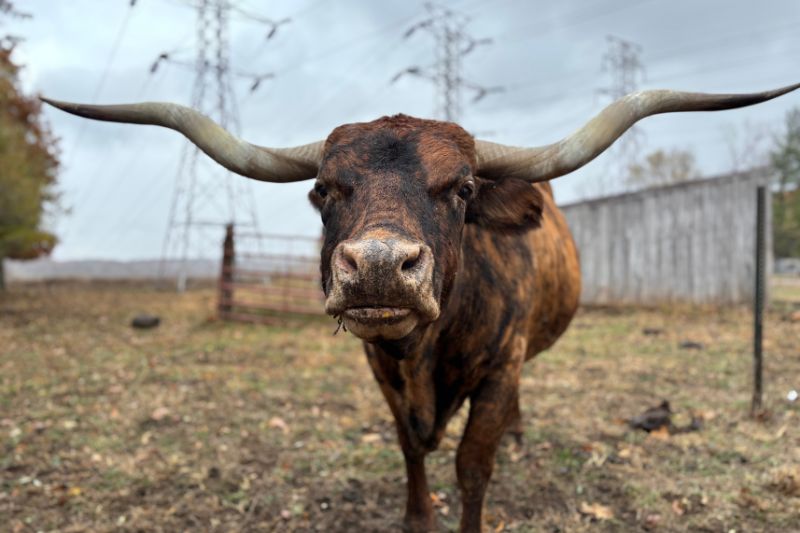
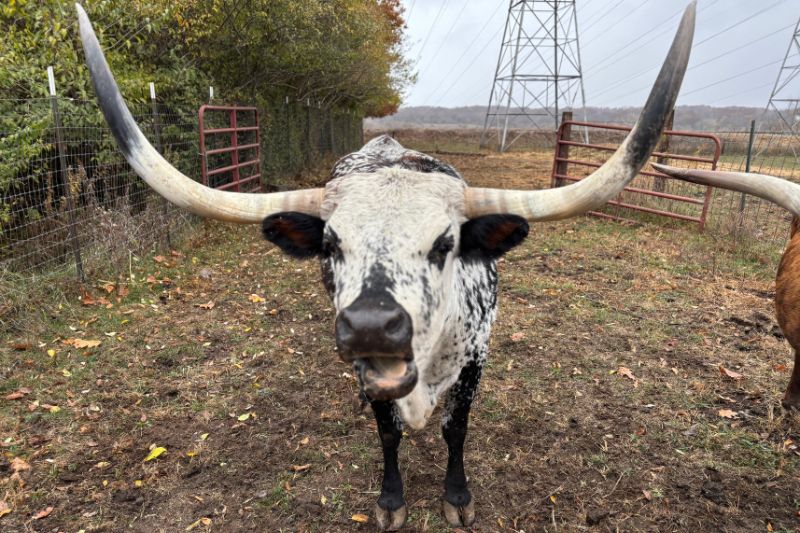
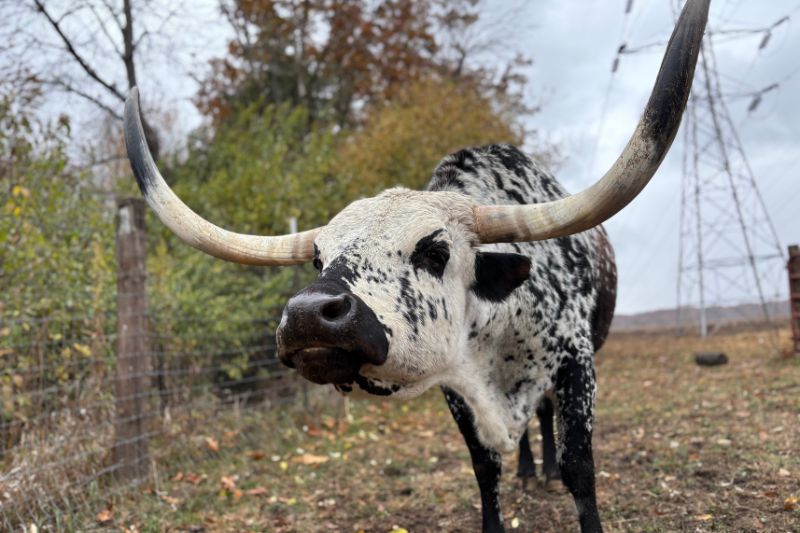
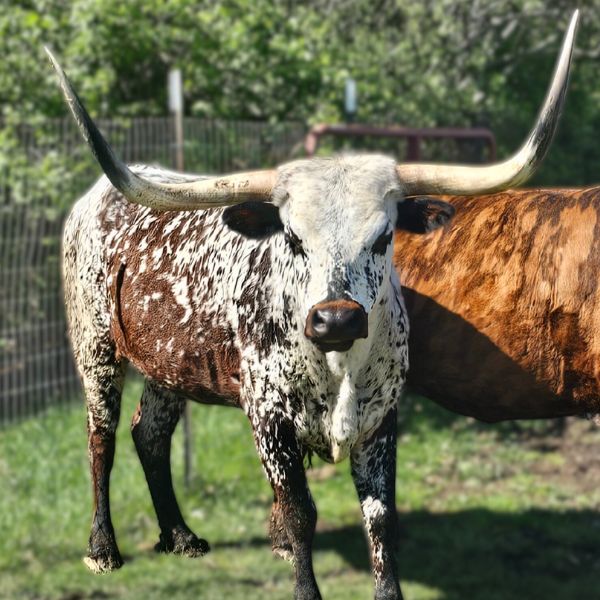
The Texas Longhorn is an iconic breed of cattle known for its distinctive, sweeping horns that can span up to 7 feet or more. Originating from Spanish cattle brought to the Americas by explorers in the late 1400s, Longhorns evolved through centuries of natural selection in harsh environments, making them one of the most resilient and adaptable cattle breeds in North America. Today, they are celebrated not only for their historical significance in the American West but also for their genetic diversity and hardiness.

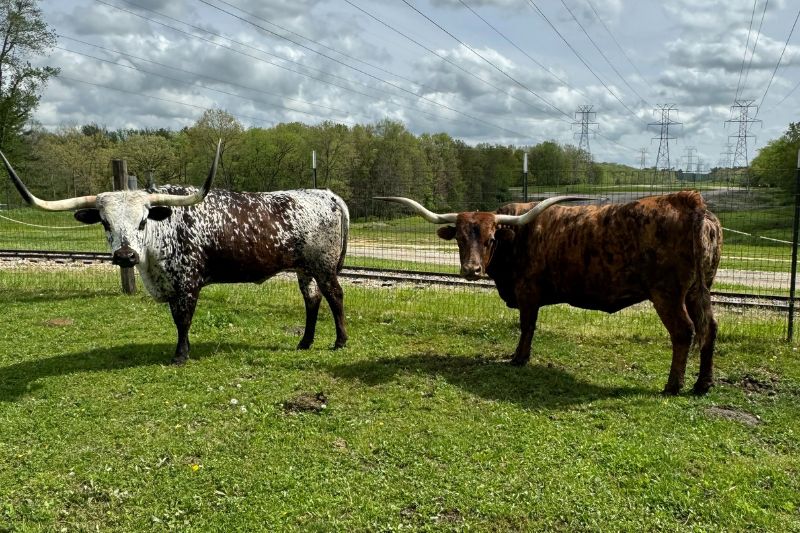
Texas Longhorns thrive in open rangelands, grasslands, and semi-arid environments. Historically, they roamed freely across the southwestern United States, particularly Texas, and adapted to the Great Plains after the Civil War. Their ability to survive on sparse forage and tolerate extreme heat and drought made them ideal for rugged landscapes where other breeds struggled. Today, they are primarily found on ranches, wildlife refuges, and conservation areas across Texas, Oklahoma, and other parts of the Southwest.
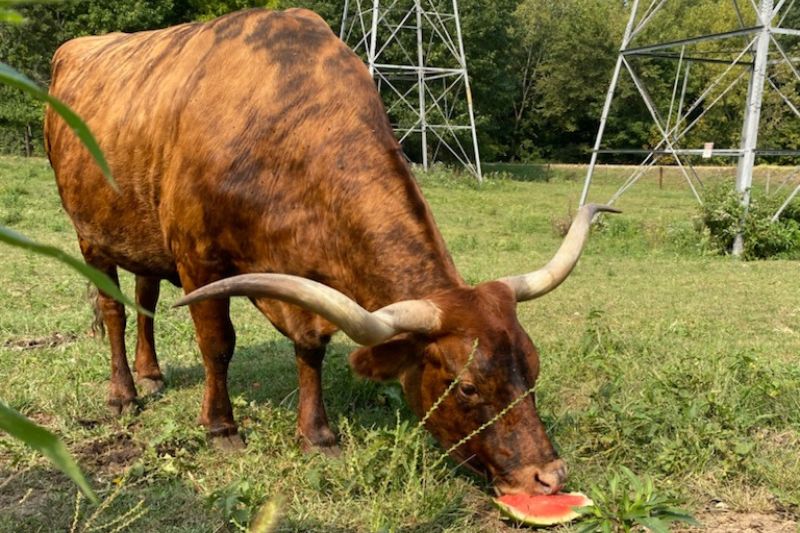
Longhorn cattle are grazers that feed primarily on grasses, but their adaptability allows them to consume a wide variety of vegetation, including tough, coarse plants that many other cattle breeds avoid. This dietary flexibility contributed to their survival during periods of scarcity and remains a key trait for sustainable ranching practices.
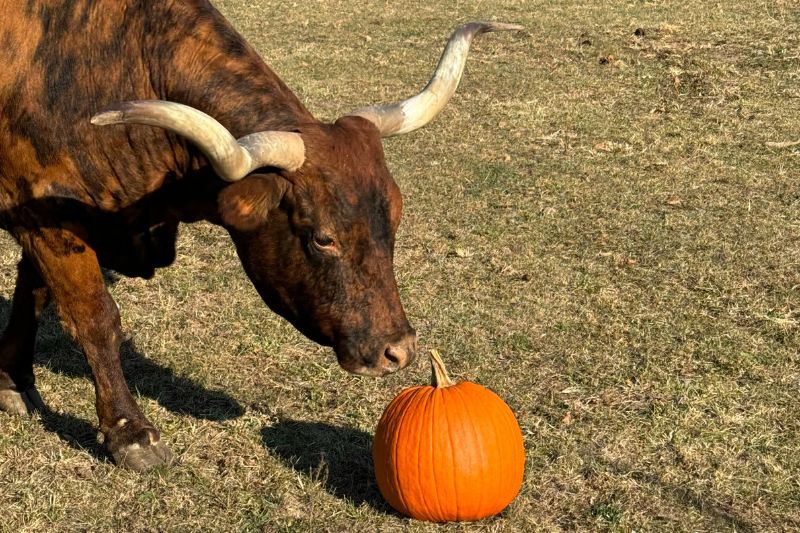
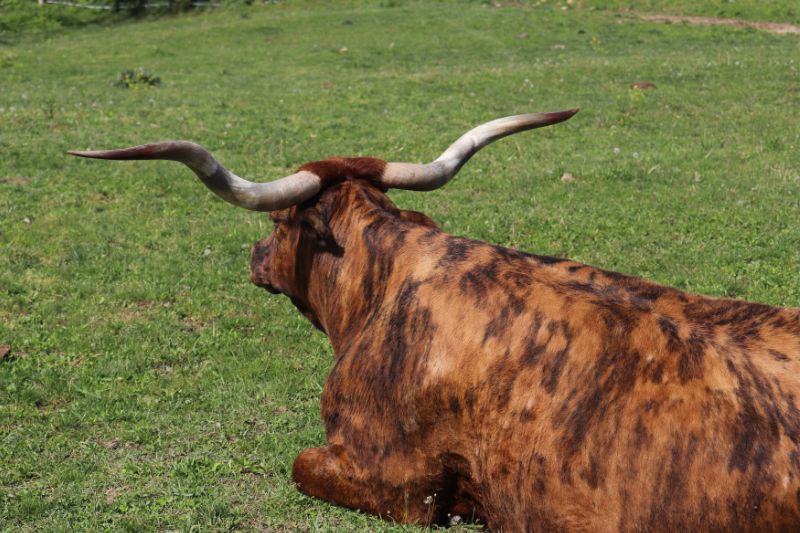
Help Feed Our LonghornsTexas Longhorns are famous for their horns, which can span up to 7 feet on average, but the Guinness World Record holder measured over 10 feet from tip to tip! These horns aren’t just for a show. They help regulate body temperature and serve as a defense mechanism against predators.
Longhorns developed immunity to Texas Fever, a tick-borne disease that wiped out many other cattle breeds in the 19th century. This resilience made them invaluable during the cattle drives and contributed to their survival in harsh conditions.
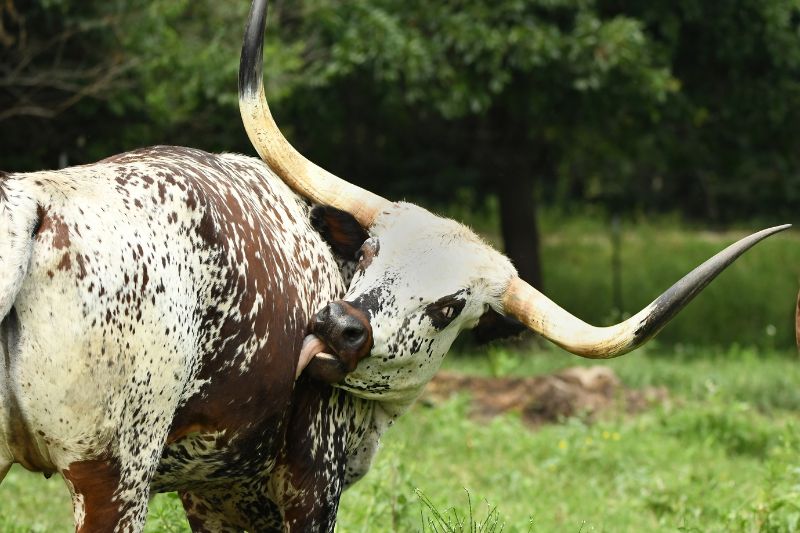
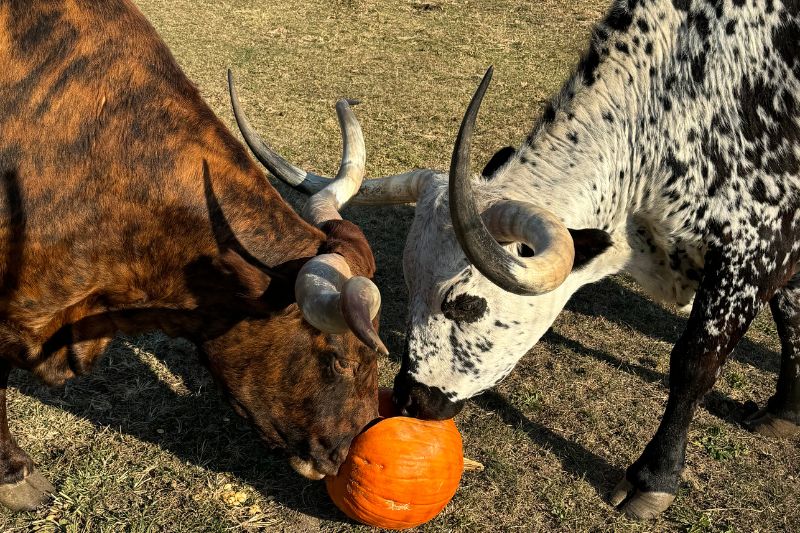
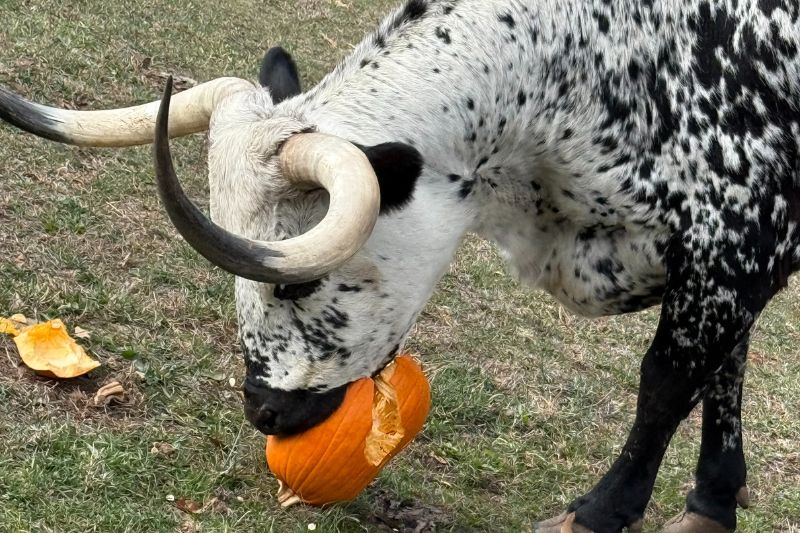
Unlike many cattle breeds with uniform coloring, Longhorns exhibit an incredible variety of coat patterns including solid, speckled, brindled, and even spotted. This diversity is a result of centuries of natural selection and genetic mixing, making every Longhorn unique.
After the Civil War, Texas was flooded with wild Longhorns. Ranchers rounded them up and drove them north along famous trails like the Chisholm Trail, fueling the beef industry and shaping cowboy culture. These cattle were so hardy that they could walk hundreds of miles with minimal water and forage.