Class: Mammalia Order: Carnivora Family: Mustelidae Genus: Lontra Species: canadensis
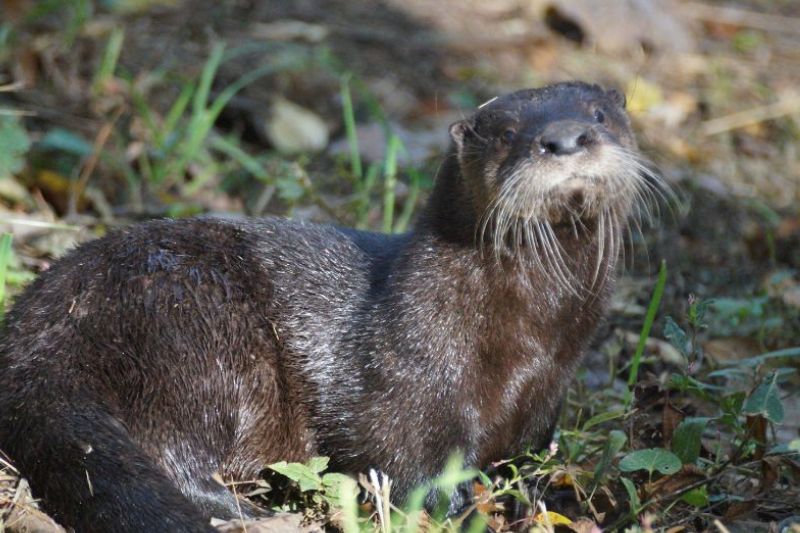
Otters are the only truly amphibious members of the weasel family. They can stay underwater for up to eight minutes and are very flexible so they can make sharp turns that help them catch fish. The otter’s streamlined body is covered by tightly packed underfur and long, water-repellent guard hairs. They use their long whiskers to detect prey in dark water and then use their clawed feet to help grasp and hold onto the prey. They are also great communicators with whistles, yelps, growls and screams as well as touch and body posture, along with scent marking with a strong musky odor to convey messages about food, threats, social bonding, and location.
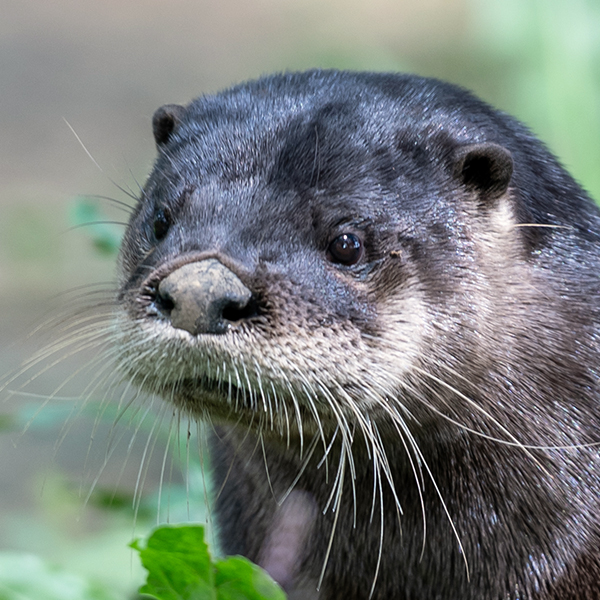

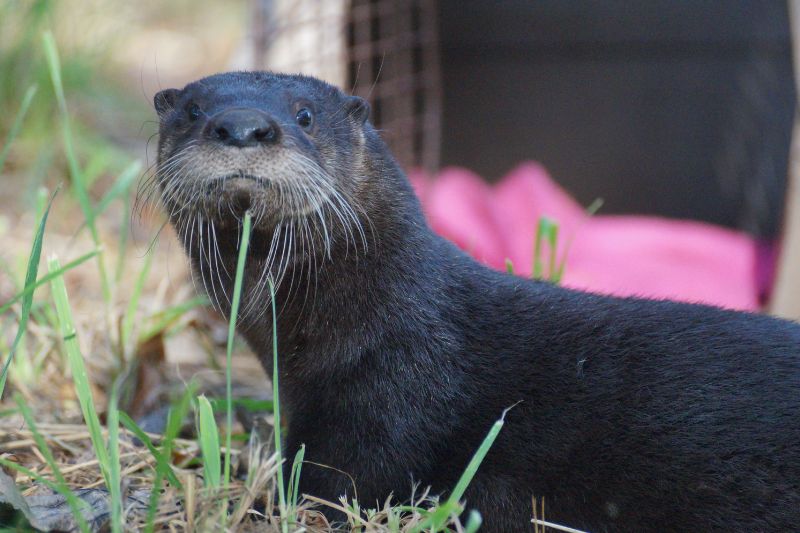
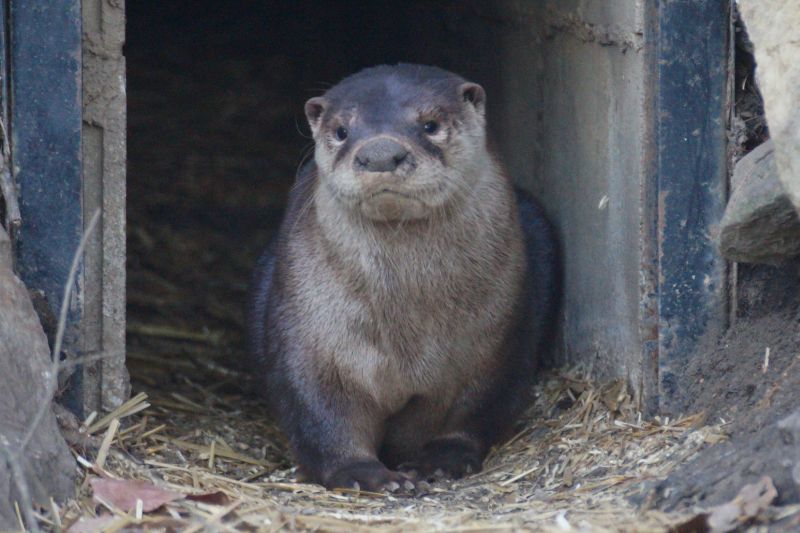
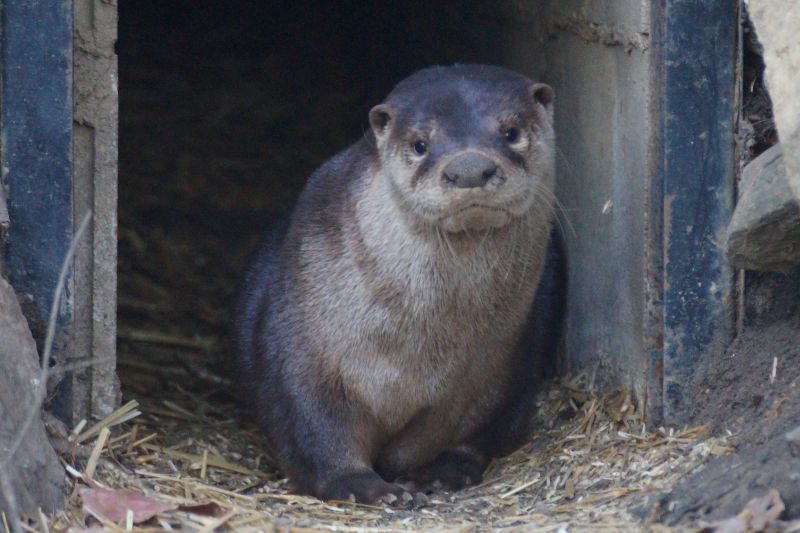
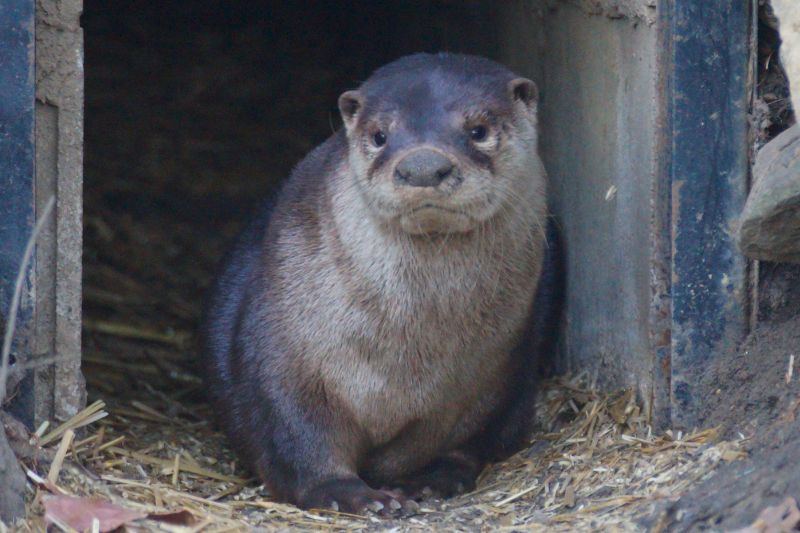
Winnie was born at the Park on March 18, 2018 to parents Annie and Oakley. Her favorite is catfish, but she also surprisingly likes non-aquatic items like beef and deer, which are occasionally given in small portions of her diet. Winnie loves to take naps in her den but is often seen swimming in her pond (which is not filled in the winter). You may see her playing with the hose when the keepers are refilling her pond. She is very sociable and loves to come up to the window to see guests!
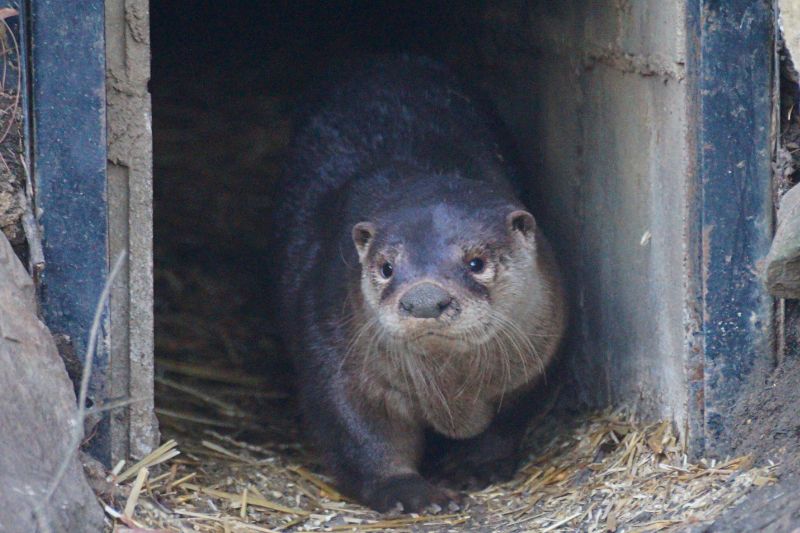
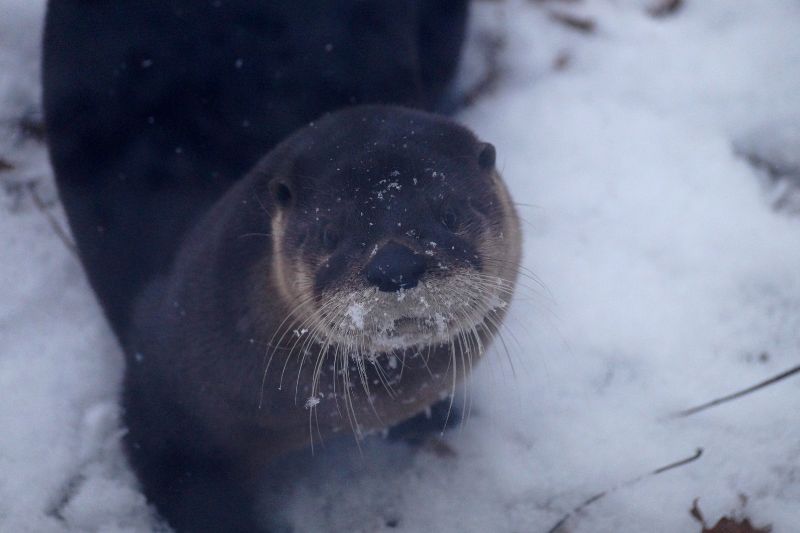
Thatcher, a 7-year-old female river otter, arrived at the Park in January 2026 from the St. Louis Aquarium. She is adjusting very well, building bonds with her keepers, and showing off her curious personality. So far, Thatcher's favorite food seems to be shrimp, and she is always curious when visitors stop by her window!
Thatcher lives in the same habitat as Winnie, but they have not had direct contact just yet. To give Thatcher time to adjust to her new surroundings, the habitat is divided by a fence in the middle. We are hoping Winnie and Thatcher will completely share the space in the future, but if not, they can still have a friend nearby!
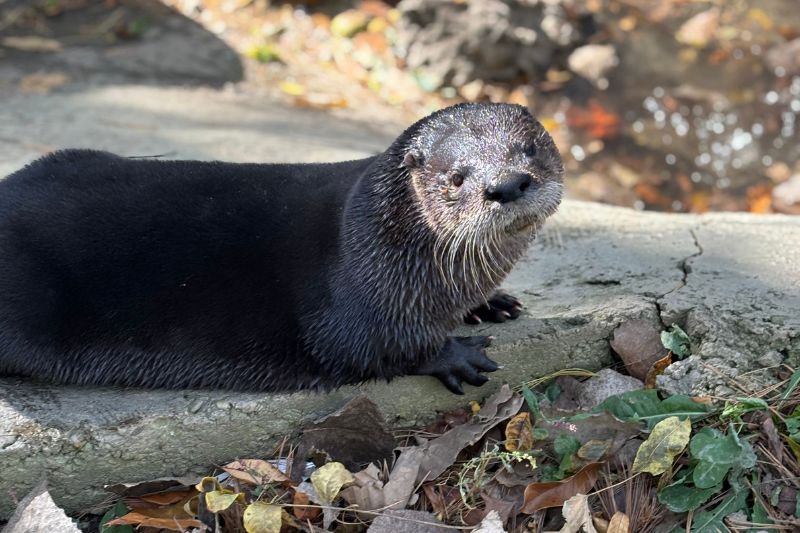
North American River Otters inhabit inland waterways generally burrowing close to the water’s edge. The den will consist of many tunnel openings that help the otter to enter and exit the water. In the wild their diet will consist of fish, crayfish, frogs, turtles, snakes, salamanders and insects. In captivity they are fed a commercially prepared raw meat diet supplemented with cod liver oil and vitamins as well as fish.
Help Feed Our Otters
Otters feed on items that are readily available for capture. A common misconception about otters is that they pursue fast-swimming game fish. Typically, otters will feed on slower fish such as carp and shad. Otters have several hunting sessions in a day, swimming and feeding for an hour or more before hauling out to rest on the bank. Otters have a rapid metabolism, and a meal will pass through their digestive tract in just a few hours. This gives them boundless energy but also forces them to eat frequently.
Captive otters have been described as playful, but it is more likely, they are guilty of having too much “time on their hands”. Eliminating the element of chasing prey, an otter’s time spent resting increases. Otters in the wild will occasionally be seen “playing” (tunneling through snowdrifts, or sliding down muddy banks), but it is more common in juveniles than adults. This play enforces social bonds and heightens fighting and hunting skills.
Until recently, North American River Otters were classified as threatened in the state of Illinois. In Illinois, a major factor in their decline was the development of riverbanks for commercial and residential uses. The development of riverbanks removed important riverside habitat for otters, and polluted many of the major waterways. Pollution is detrimental to otter hunting strategies, as it relies mainly on sight. When water is murky, otters cannot see their prey to catch it. With river clean-up projects and North American River Otter re-introduction programs, their populations are rising.
The snout and elbow joints are speckled with stiff whiskers called vibrissae. These vibrissae are very important tool for capturing prey, because they detect turbulence in the water, and act as a “fish finder”. The otter’s ears and nostrils seal themselves off during underwater endeavors, making vibrissae an essential tool.