Class: Mammalia Order: Rodentia Family: Erethizontidae Genus: Erethizon Species: dorsatum
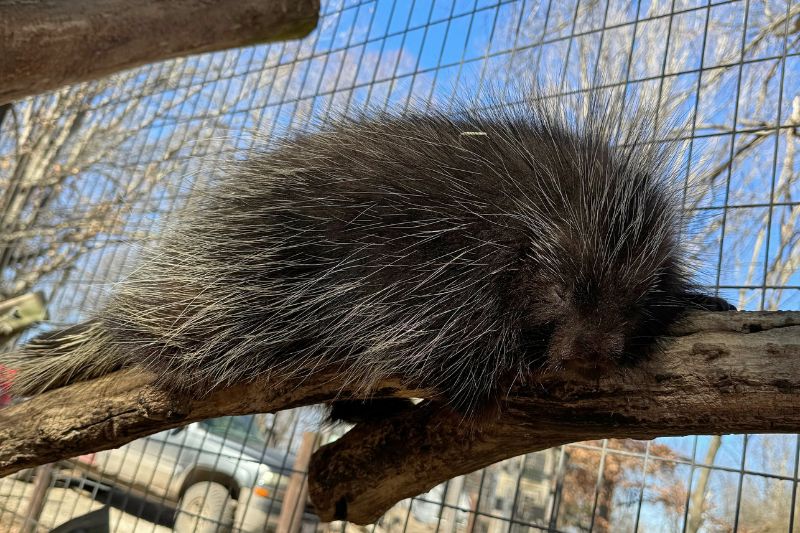
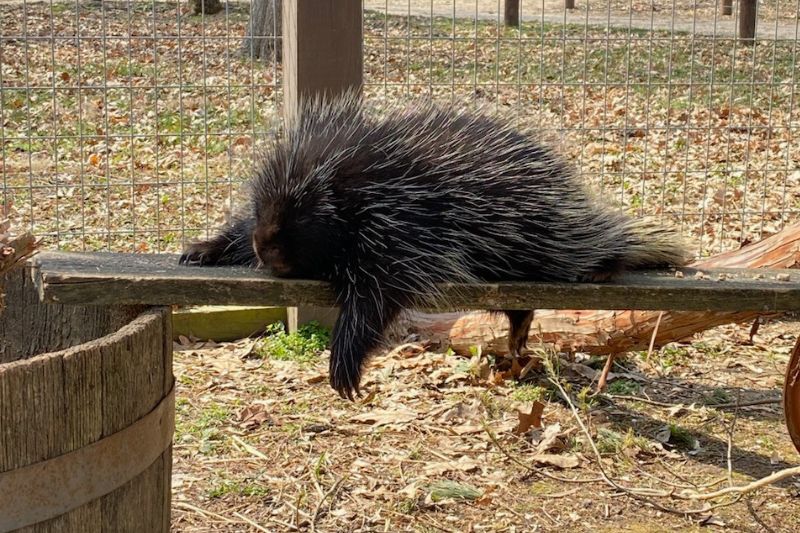
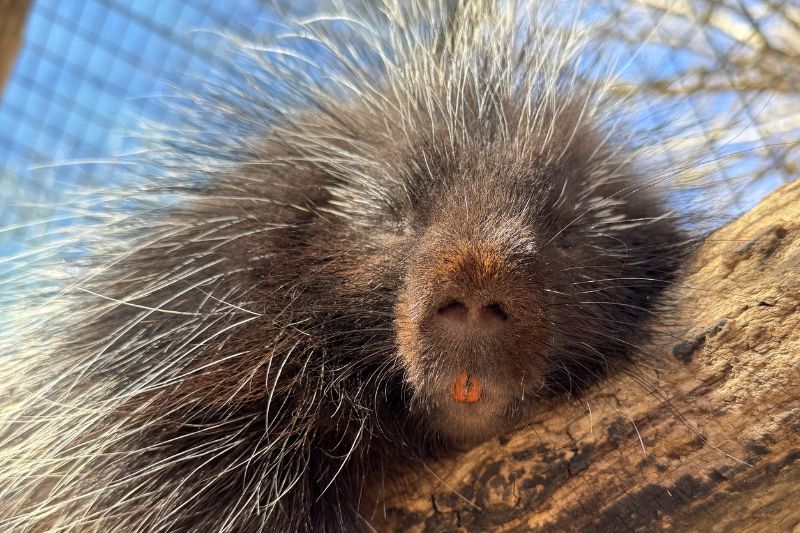
The North American porcupine is the second-largest rodent in North America, surpassed only by the beaver. Belonging to the family Erethizontidae, this species is native to forests, tundra, and shrublands across Canada, the United States, and northern Mexico. Porcupines are easily recognized by their coat of sharp, barbed quills—modified hairs made of keratin—that serve as an effective defense against predators. Despite their prickly appearance, porcupines are herbivorous, slow-moving, and primarily nocturnal. They play an important ecological role by influencing vegetation patterns and providing food for specialized predators like fishers.
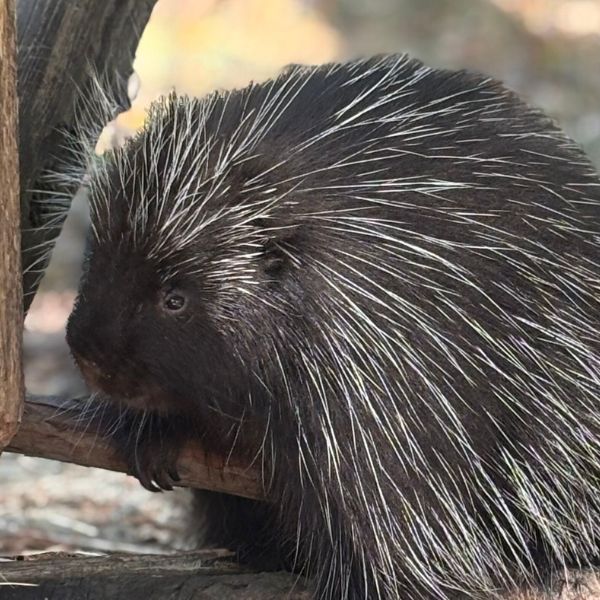
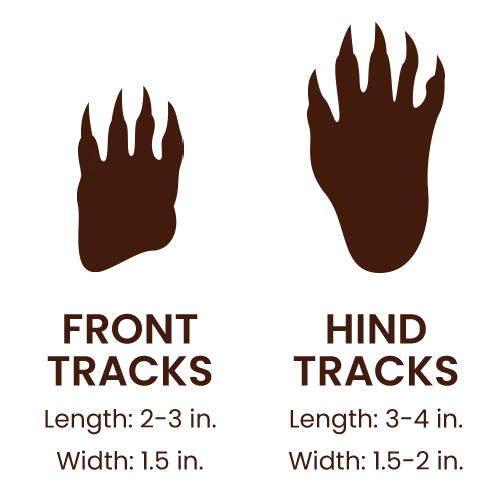
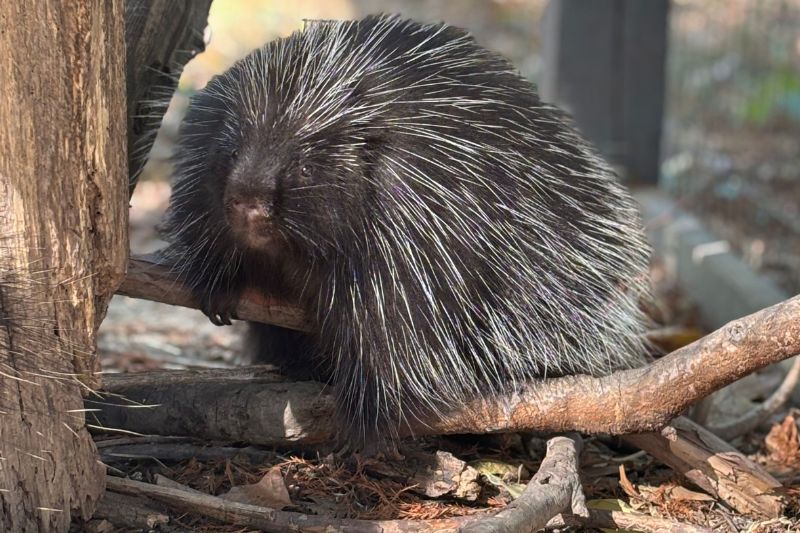
Porcupines inhabit a wide range of environments, including coniferous and mixed forests, tundra, and desert shrublands. They prefer areas with abundant trees for food and shelter, often selecting rocky outcroppings, hollow logs, or tree cavities as dens. In winter, they stay close to dens, while in summer they forage more widely. Their strong claws and hairless foot pads make them excellent climbers, allowing them to spend much of their time in trees.
Porcupines are strict herbivores. Their diet varies seasonally: in winter, they consume tree bark, cambium, and evergreen needles; in spring and summer, they eat leaves, buds, berries, herbs, roots, and stems. They have also been observed chewing on antlers and bones to obtain essential minerals like sodium. This feeding behavior can sometimes damage trees, especially during harsh winters when food is scarce. In captivity their died includes a variety of fresh fruits, vegetables, other plant-based items such as tree bark and branches and herbivore pellets.
Help Feed Our Porcupines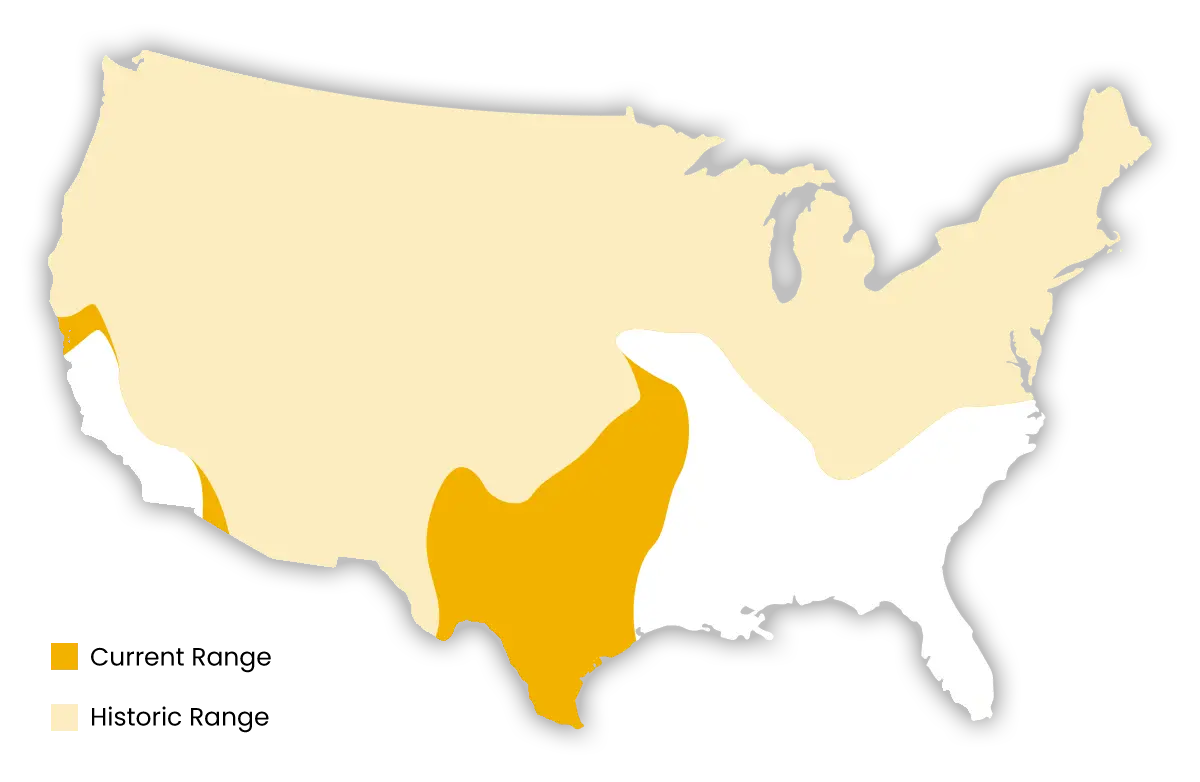
Porcupines cannot shoot their quills, contrary to popular belief. Instead, they raise and lash their tails when threatened, causing the loosely attached quills to embed in predators. Each porcupine has up to 30,000 quills, which are barbed and then expand once inside the skin, making removal difficult.
Porcupines are surprisingly good swimmers. Their hollow quills provide buoyancy, allowing them to float and paddle across streams and lakes in search of food or to escape predators.
Mating season involves elaborate behaviors: males perform dances, vocalize with squeals and grunts, and even spray urine on females as part of courtship. Gestation lasts about 210 days (gestation in humans lasts 280 days in comparison), and females usually give birth to a single offspring called a porcupette, born with soft quills that harden within hours.
Porcupines are very fond of salt and will chew on objects like canoe paddles, tool handles, and even car tires to obtain it. This unusual habit often brings them into contact with humans.