Class: Mammalia Order: Perissodactyla Family: Equidae Genus: Equus Species: caballus
The Spanish brought domesticated horses to the Americas in the 1500’s. The height of a horse is measured in “Hands” which is equivalent to four inches. Horses are measured from the ground to the top of the highest point of their back, called the withers. The average size of a horse is 14-15 hands or 4 feet 8 inches to 5 feet. Throughout the world, there are hundreds of different breeds of domesticated horse. In the U.S., horses are bred for racing, pulling, endurance, hobby, and many other activities.

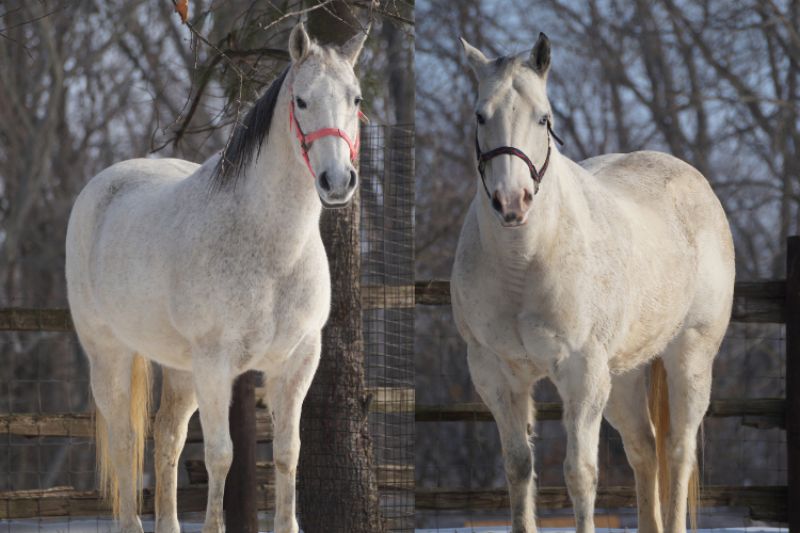
Horses are herd animals, belonging to the same family as the zebra and several herds of feral, or wild, horses inhabit parts of the western U.S., and parts of the Atlantic coast. The western herds are protected and managed by the Bureau of Land Management, and the herds of Maryland and Virginia are protected by the National Park Service and local organizations. Each year several of these animals are auctioned to private citizens to help fund conservation programs and keep the herd sizes at safe levels.
In the wild a horse's diet consists of grasses while in captivity it will also contain hay and a grain mixture.
Help Feed Our Horses
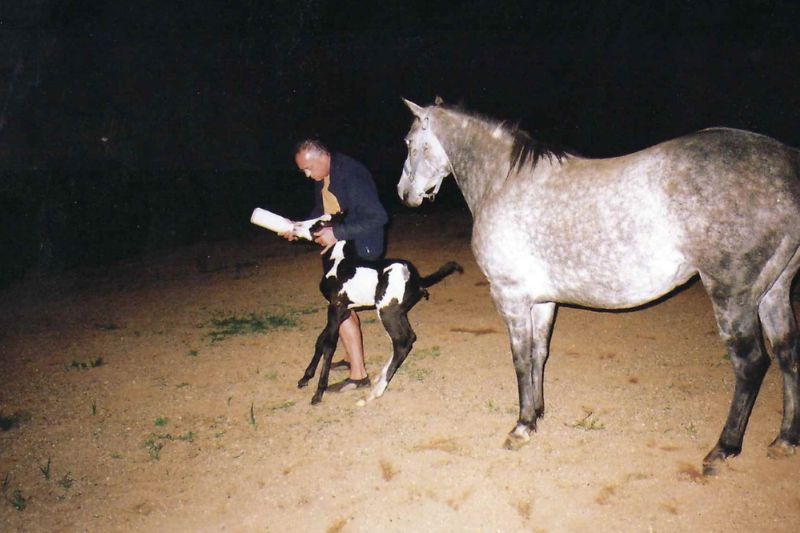
Horses have a variety of names depending on gender and age. Male horses are called stallions if they are used for breeding, but they are called geldings if they are castrated. Most male horses are castrated (gelded) by the age of 2 if they will not be used for breeding. Female horses are called mares. Baby male horses are called colts, and female babies are called fillies, and are called so until they turn 1 year old.
At one year old, horses are called yearlings. By the age of 3, they usually begin training for their prescribed activity. By the time a horse is 5, it is considered full grown, referring to size. A horse is considered mature at 3 years when it is sexually mature.
As a grazing animal, a horse’s teeth are a very important tool. Poor tooth health leads to poor general health in horses. A horse’s age can be determined by the shape and grooves in the teeth and is frequently used by vets and other horse professionals.