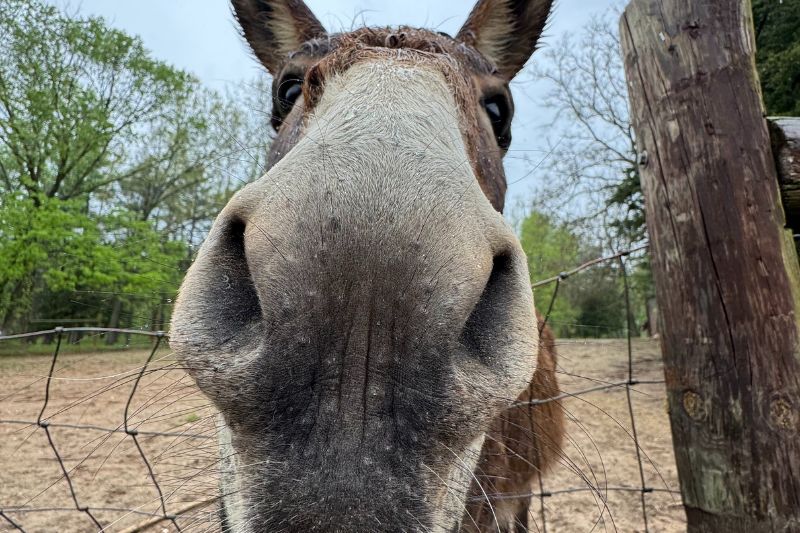
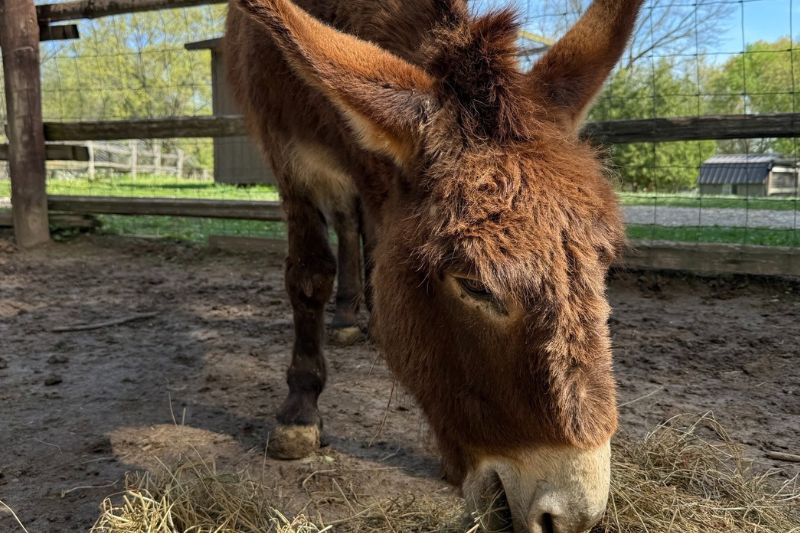
Class: Mammalia Order: Perissodactyla Family: Equidae Genus: Equus Species: asinus
The donkey is a domesticated member of the horse family (Equidae) that originated from the African wild ass. We also use the Spanish term Burro interchangeably for Donkey. Domestication occurred around 5,000–6,000 years ago in North Africa, making donkeys one of humanity’s oldest working animals. They have been essential for transportation, agriculture, and trade due to their strength, endurance, and adaptability to harsh environments. Today, there are over 40 million donkeys worldwide, primarily in developing regions where they remain vital for carrying loads and providing mobility. Physically, donkeys are characterized by their long ears, short upright mane, and sturdy build, which enable them to thrive in rugged terrain and arid climates.
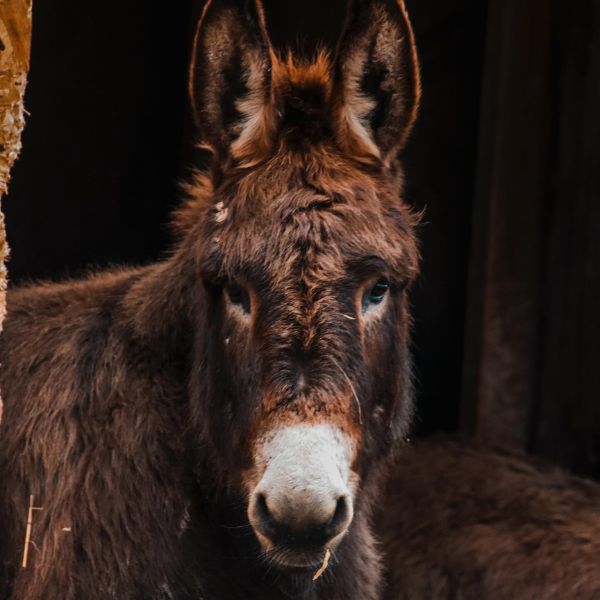

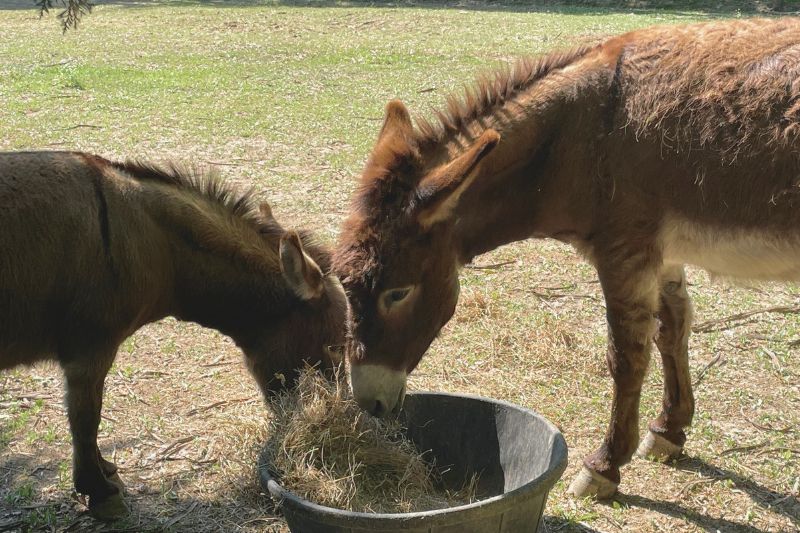
Wild ancestors of donkeys inhabit desert and semi-arid regions of northeastern Africa, such as Ethiopia, Eritrea, and Somalia. These areas are characterized by sparse vegetation, rocky terrain, and limited water sources. Domesticated donkeys, however, are found globally, living in environments ranging from deserts and grasslands to rural farms. Their adaptability allows them to survive in dry, open landscapes where other livestock might struggle.
Donkeys are herbivores with a diet primarily consisting of grasses, shrubs, and hay. They are highly efficient at extracting nutrients from low-quality forage, which makes them well-suited for arid regions. Unlike horses, donkeys require a diet low in calories and high in fiber to prevent obesity. Common feeds include barley straw, mature hay, and occasional safe treats like carrots or apples. Their digestive system is adapted to conserve water and maximize nutrient absorption from sparse vegetation
Help Feed Our Donkeys
Donkeys have exceptional memories. They can remember places, people, and other animals for over 25 years.
Their unique vocalization, such as a loud bray, can be heard almost two miles away, so it is used for long-distance communication.
Their large ears help dissipate heat, allowing them to be quite adaptable, and they improve hearing in desert environments.
Donkeys are not stubborn as people usually as about them. They are smart animals who will pause to assess danger rather than flee, showing high intelligence and self-preservation.