Class: Mammalia Order: Carnivora Family: Ursidae Genus: Ursus Species: americanus
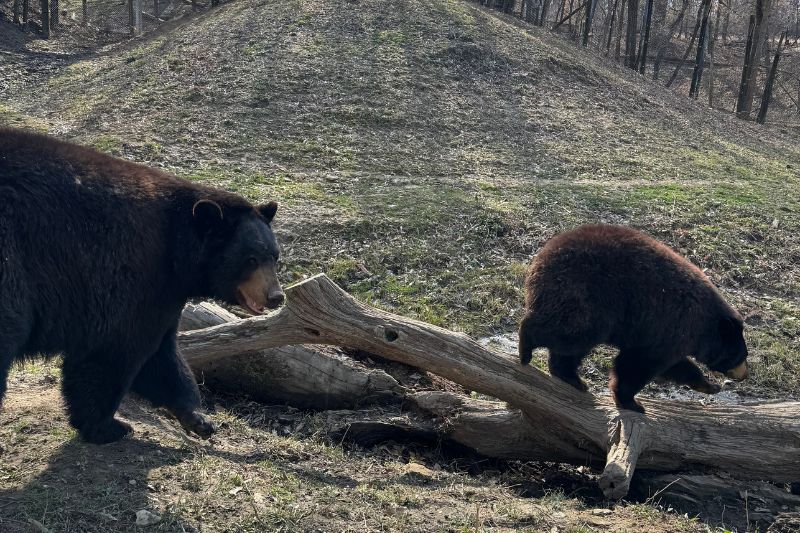
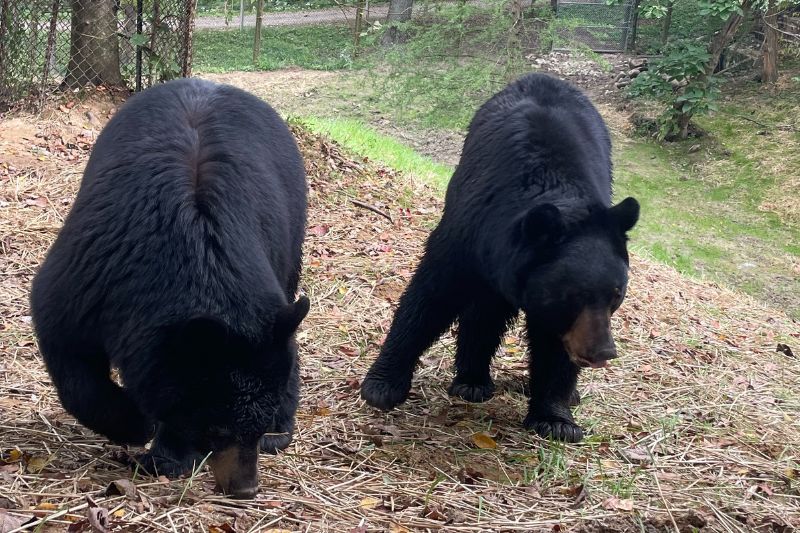
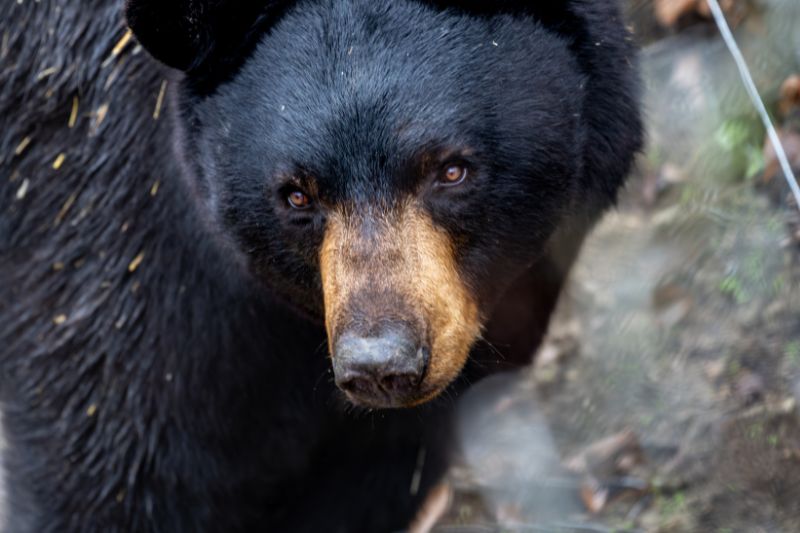
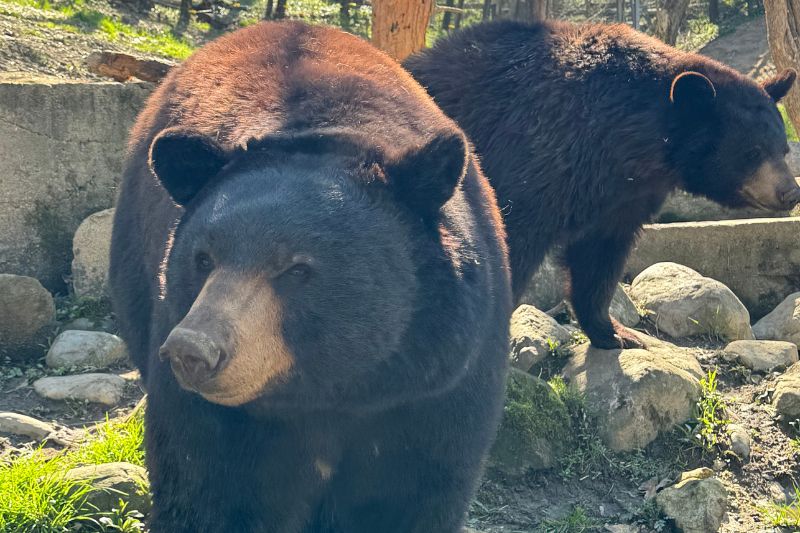
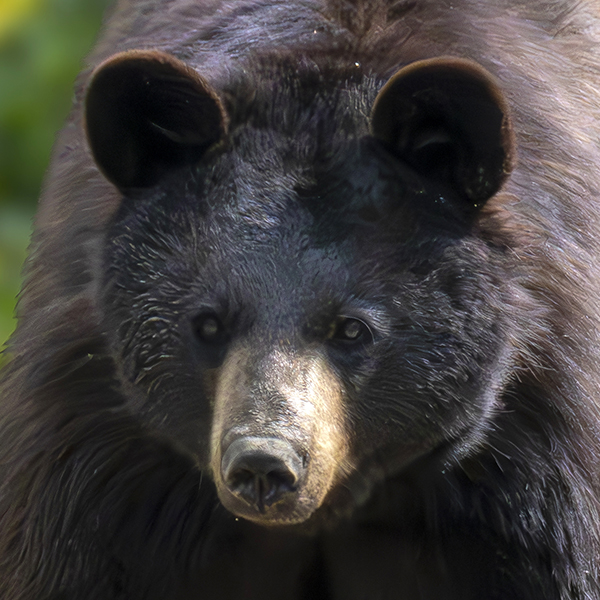
American black bears are the most common and widely distributed species of bears in North America and can be found anywhere from forested areas to the beach. They are also the smallest of the three bear species found in North America. Surprisingly, not all black bears are actually black in color. Their colors range from black to chocolate brown, tan, cinnamon, honey, and even blonde. In fact, no other native mammal exists in so many color phases.
Except for the claws, the hind footprint of an average size black bear is strikingly similar to that of a human, as black bears use the same walking pattern as humans do. Plantigrade is the term used to describe this “flat-footed” walking pattern. Canines and felines, for example, walk “on their toes”, and are referred to as digitigrades (walking with a digitigrade pattern).

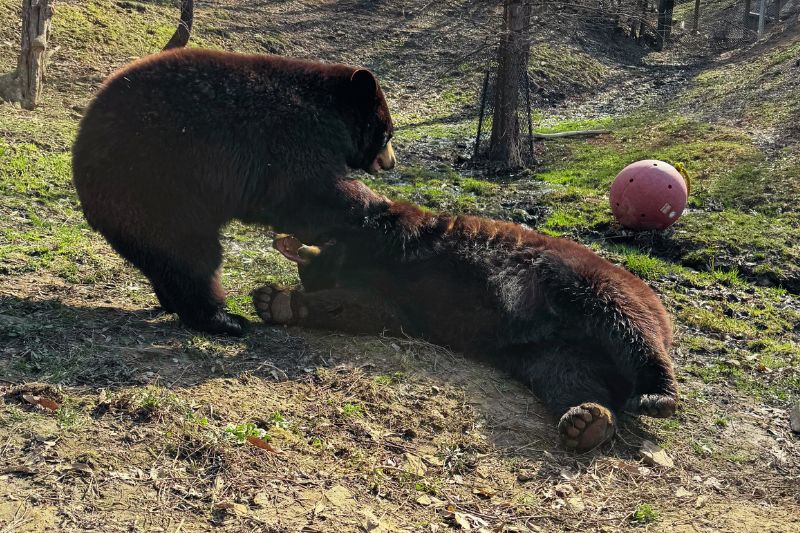
Black bears thrive in expansive forested areas that offer a mix of fruit-bearing plants and nut-producing trees. Sunny clearings are particularly valuable for producing berries and attracting ants. Wetlands and low-lying areas contribute additional lush vegetation, while water sources like streams and ponds help bears regulate their body temperature. Female bears with cubs often seek out large, mature trees with deeply grooved bark—such as white pines or hemlocks—for safe bedding and shelter.
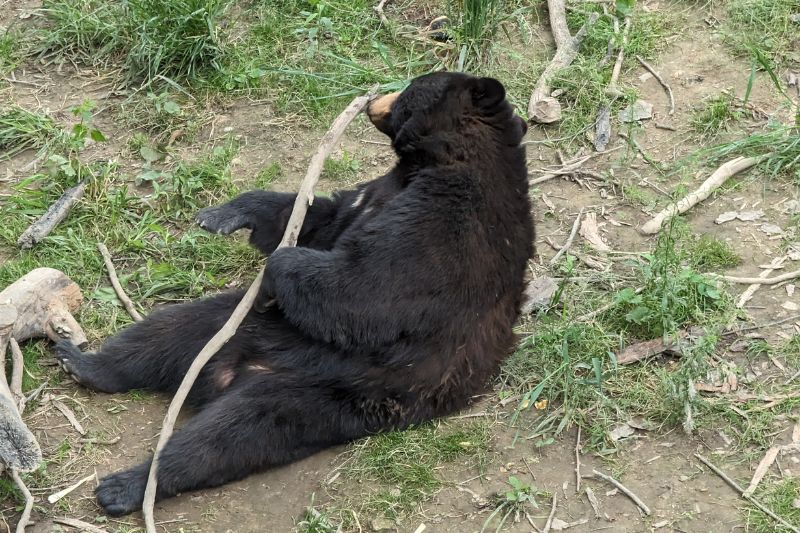
Black bears are omnivores, favoring energy-rich foods such as nuts, acorns, fruits, insects, and tender green plants. When these are unavailable, they may resort to eating meat and tougher vegetation. A lack of these preferred foods can negatively impact their health and survival, potentially leading to poor growth, reduced fat reserves, unsuccessful reproduction, and even the death of young bears, especially cubs.
Help Feed Our Black Bears
Bears, for the most part, are solitary animals, congregating only to breed in the summer. Once mating is finished, the female is left to tend to her pregnancy and delivery alone. It only takes about a month for a black bear embryo to develop, but the female can delay the implantation until conditions are right. Black bear mothers give birth in January. The mother and cubs will then stay together for around 16-17 months.
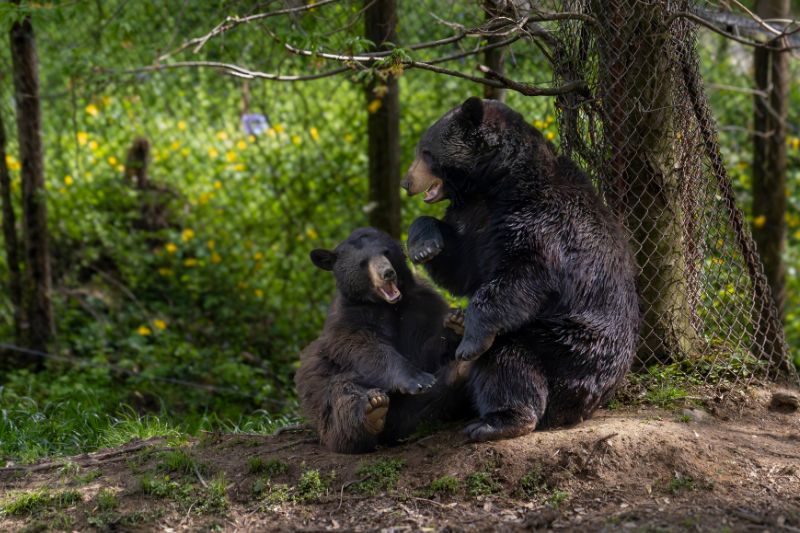
Black bears communicate through body language, scent marking, and sounds such as grunts, tongue clicks, blowing and even a resonant voice that has a human-like quality, making it easy to mimic. Black bear cub and human baby cries have been known to sound very similar and confusing to both species. Although young cubs play more than other animals, they play without vocalizing and with gentle bites.
Contrary to popular belief, bears are not “true” hibernators. Instead they involuntary enter a lighter sleep-like state called torpor to survive the winter. Unlike animals that are true hibernators, bears in torpor can wake up quickly to avoid danger, venture out to feed, or for females, to give birth. In early spring, black bears emerge from their den for the season, equipped with a large appetite for many types of foods.