Class: Amphibia Order: Caudata Family: Ambystomatidae Genus: Ambystoma Species: mexicanum
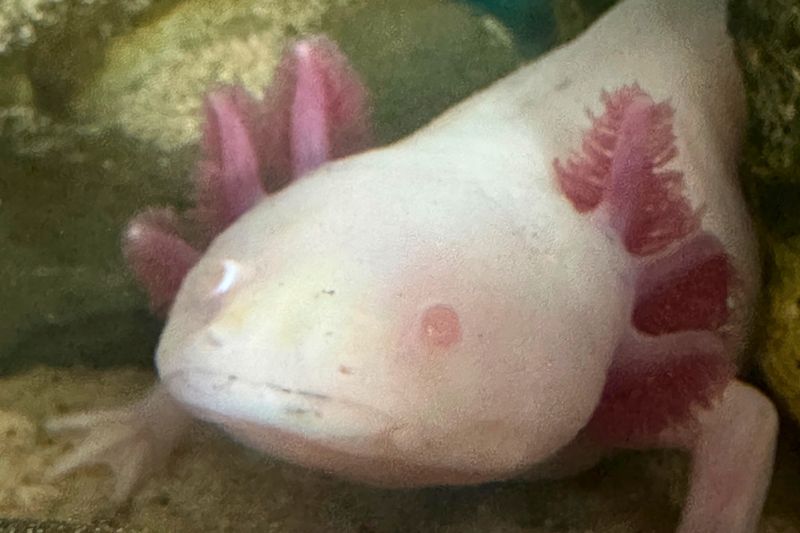
The axolotl is a neotenic salamander that keeps its juvenile traits, such as external gills, throughout its life. Unlike most amphibians, axolotls do not undergo metamorphosis naturally, remaining aquatic and gilled. They have feathery external gills, a wide head, and a smiling expression. Colors include wild type (brown/green), leucistic (pink with red gills), albino, golden, and melanoid. Axolotls use a suction feeding method to draw prey into their mouths.
Although Axolotls are not native to Illinois, their appearance of external gills is similar to that of the mudpuppy. Mudpuppies are threatened in the state of Illinois.
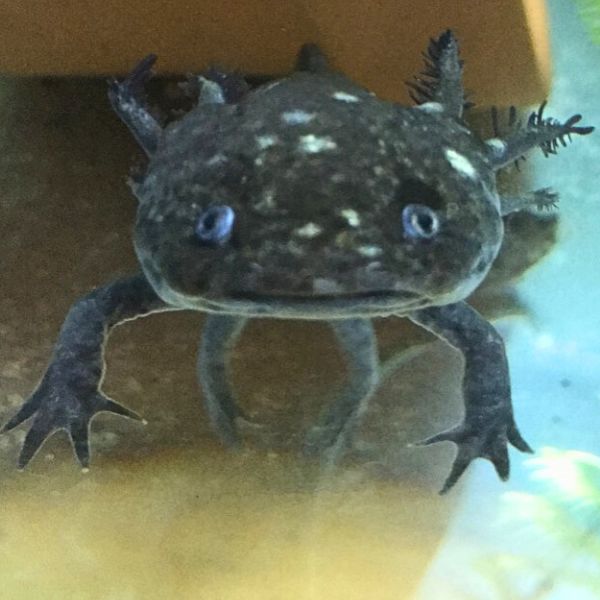
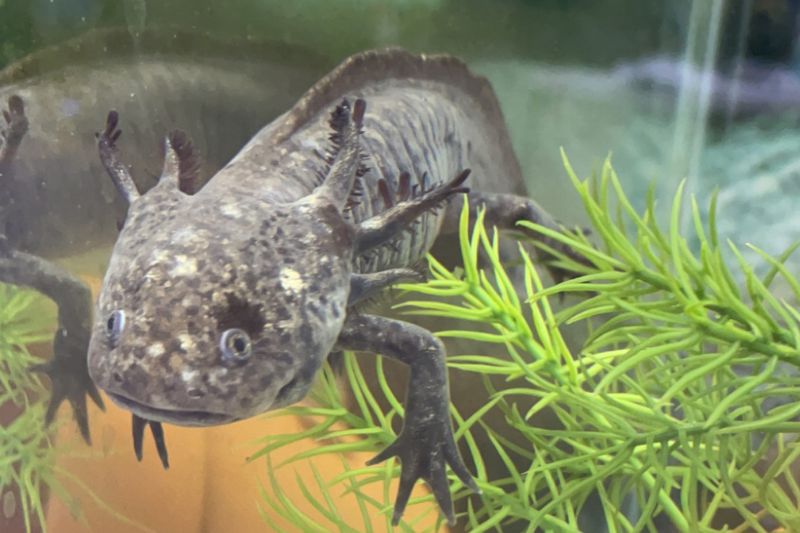
They are native to freshwater lakes and canals in Mexico, historically Lake Xochimilco and Lake Chalco, and are now critically endangered due to habitat loss, pollution, and invasive species. Axolotls prefer cool, still or slow-moving water with abundant vegetation, and when in captivity, they require clean, cool water in aquariums with hiding places and minimal current.
Their diet in the wild consists of worms, insects, small fish, and other aquatic invertebrates, while in captivity they are commonly fed bloodworms, brine shrimp, small pieces of fish, or specialized pellets.
Help Feed Our AxoltlsAxolotls are extraordinary creatures with several fascinating traits that set them apart from most amphibians. One of their most remarkable abilities is regeneration; they can regrow entire limbs, parts of the heart, lungs, spinal cord, and even portions of the brain without scarring. This unique capability has made them a key model organism in regenerative medicine and scientific research.
Axolotls are also being studied in the medical field for their resistance to cancer and the antimicrobial peptide (AMP) in their skin mucus that appears to be able to fight MRSA and some types of cancer.
Their cultural significance is equally intriguing—the name “axolotl” comes from the Aztec god Xolotl, and these amphibians were once considered a delicacy in Aztec cuisine.
Axolotls possess an enormous genome, approximately ten times larger than the human genome, which scientists have sequenced to better understand their regenerative abilities. This massive genetic blueprint is one of the largest ever recorded, adding to their scientific importance and mystique.