Class: Amphibia Order: Anura Family: Bufonidae Genus: Anaxyrus Species: americanus
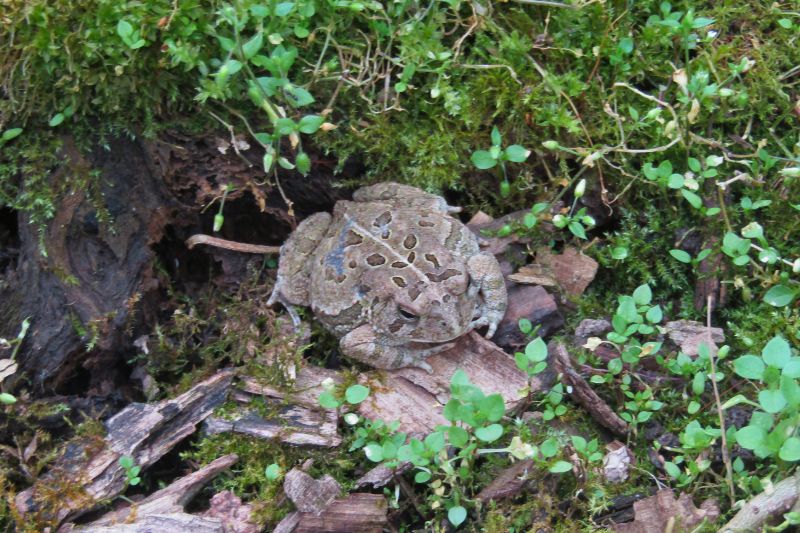
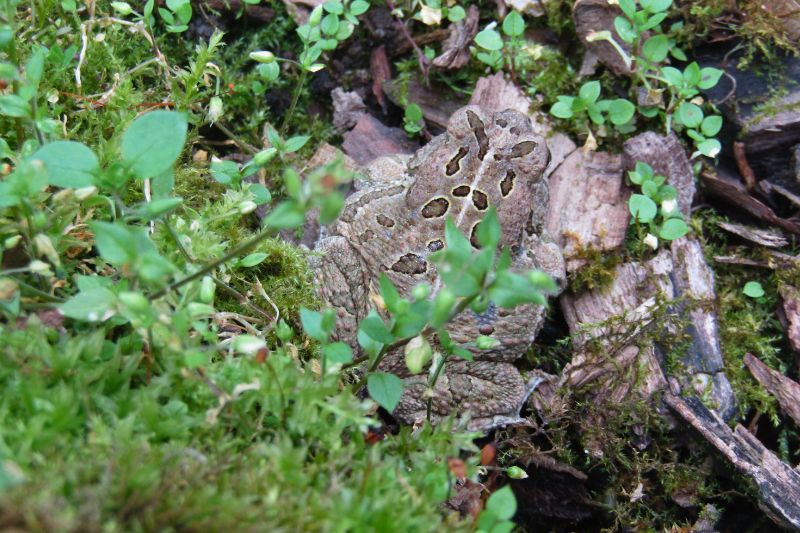
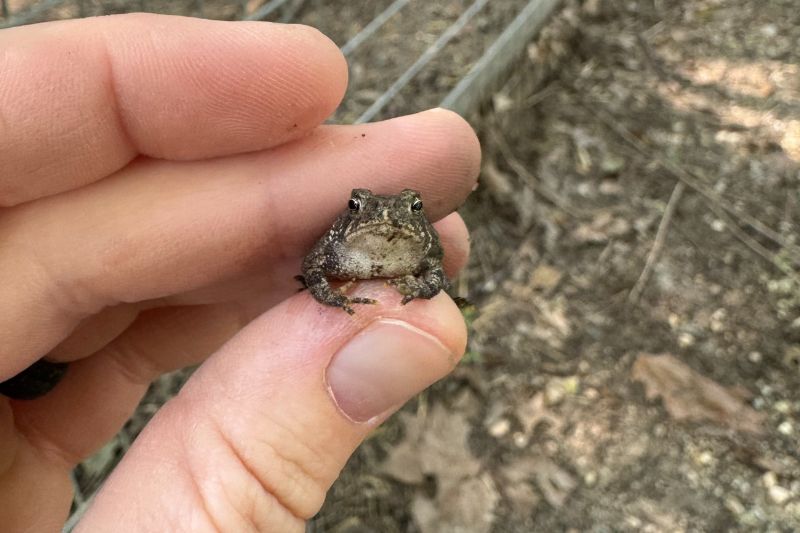
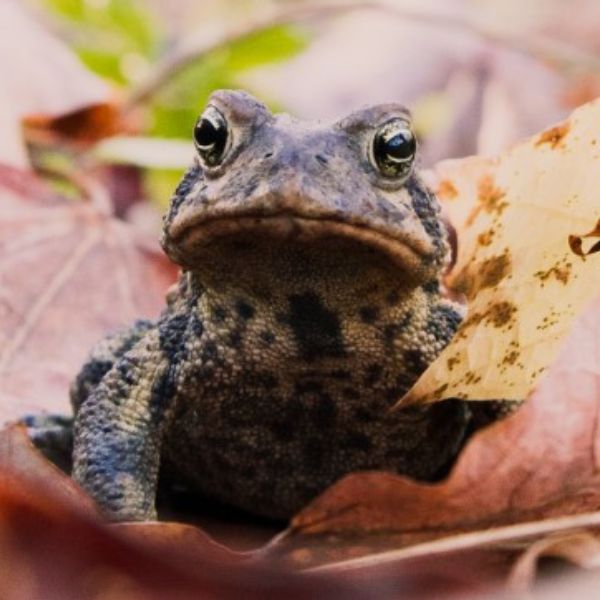
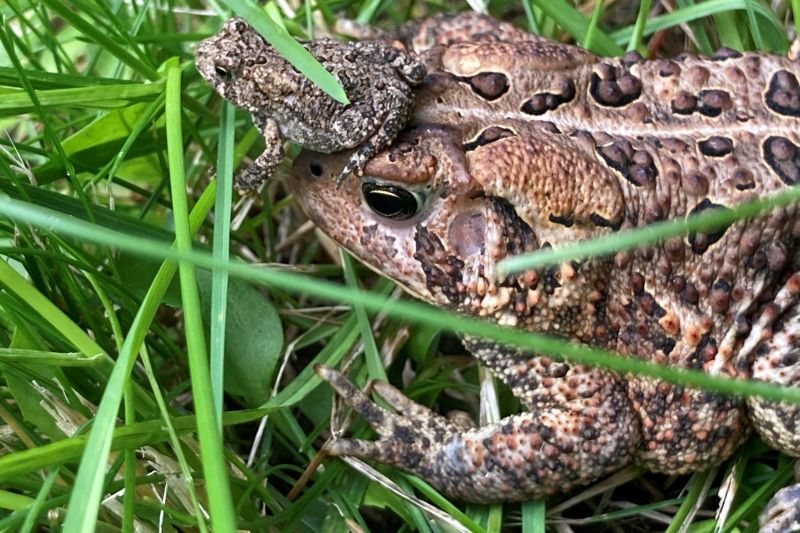
The American Toad is easily identified by the warts on its skin and short body, along with short legs. Most frequently the toads are dark green, gray, or brown with dark spots covering its body. Some toads may be reddish in color as well. On the dorsal side (back), the skin contains large glands called parotoid glands that secrete a poisonous white substance that smears in the mouth of a predator when threatened. The poison inflames the mouth and throat, causes nausea, irregular heartbeat, and in extreme cases, death.
The American Toad is widely distributed across eastern North America, from southern Canada (Ontario, Quebec, Maritime provinces) down to northern Florida, and west to Texas, Oklahoma, and the Dakotas. It is, however, absent from most of Florida and the far western U.S.
They thrive in deciduous and mixed forests, fields, meadows, pastures, and gardens, as well as suburban and agricultural areas. They look for moist refuges such as leaf litter, and logs, as well as loose soil for burrowing.
In the wild their diet consists of insects and other invertebrates while in captivity, they eat crickets and worms.
Help Feed Our Toads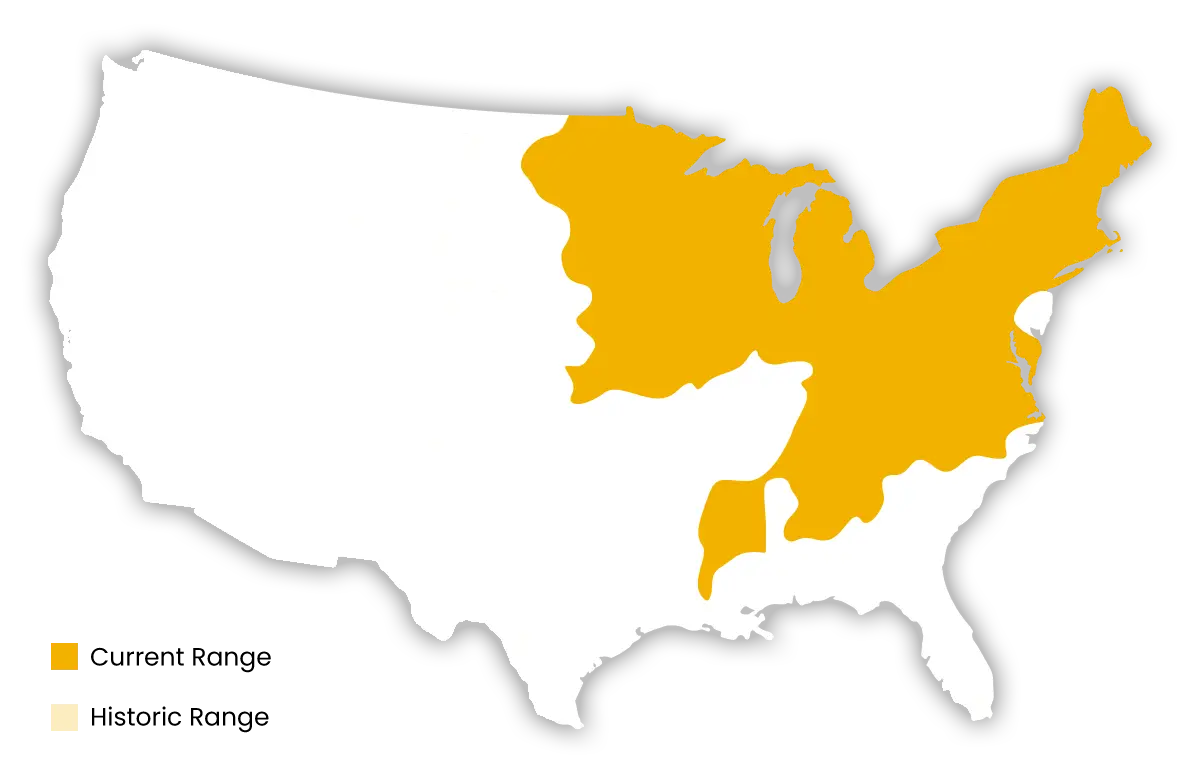
The American Toad is a very vocal amphibian. The males congregate at the breeding ponds and sing to attract females. Male toads have a rudimentary ovary which can become functional if the testes become damaged or are removed.
American Toads can live 10 years or more in the wild, and even longer, sometimes up to 30 years in captivity. That’s quite impressive for a small amphibian.